
 English
English
English
In the world of industrial processing and energy management, the accurate measurement of gas flow is paramount. When specifying or operating a gas flow meter, you will encounter three common units of volumetric flow: m³/h, Nm³/h, and Sm³/h. While they may look similar, they represent fundamentally different concepts. Confusing them can lead to significant errors in process control, cost accounting, and safety compliance.
So, what is the difference, and why does it matter so much?
This guide will break down these units in the simplest possible terms, using a clear analogy to make the concept intuitive. By the end, you will understand exactly what each unit means and when to use it, ensuring you can select and operate your gas flow instruments with confidence.
Before we define the units, we must understand a basic principle of physics: the volume of a gas is not a fixed property. It changes dramatically with changes in temperature and pressure.
Imagine you have a simple party balloon.

The amount of air—the number of air molecules (i.e., the mass)—inside the balloon never changed. However, its volume was a constantly moving target depending on its environment.
Gas flowing through an industrial pipe behaves in exactly the same way. It is often hot and under pressure. To simply state its volume without referencing its temperature and pressure is an incomplete and often misleading piece of information. This is the problem that standardized units were created to solve.
Let’s use our balloon analogy to understand each of the three common gas flow units.
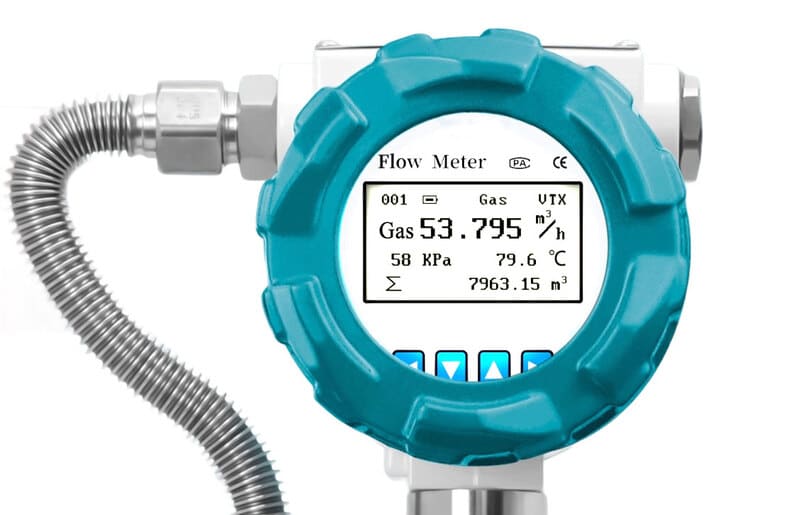
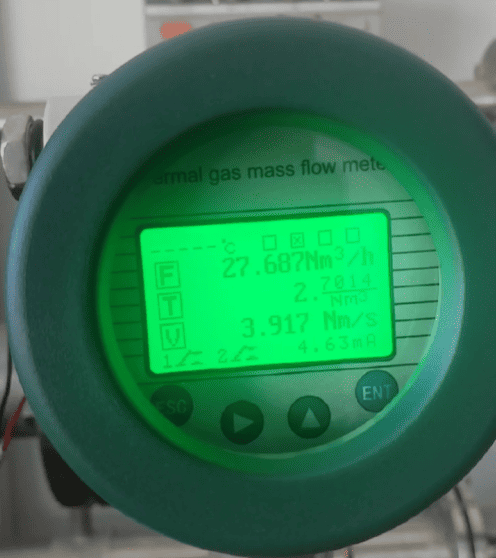
Understanding these units is key to choosing the right flow meter technology.
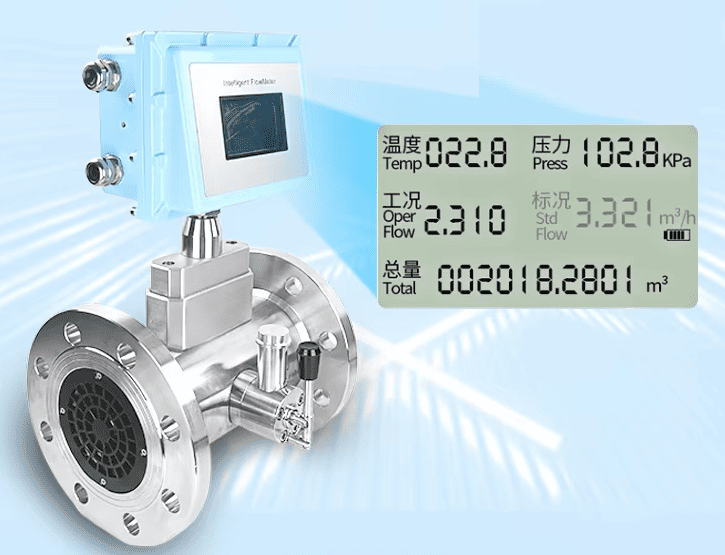
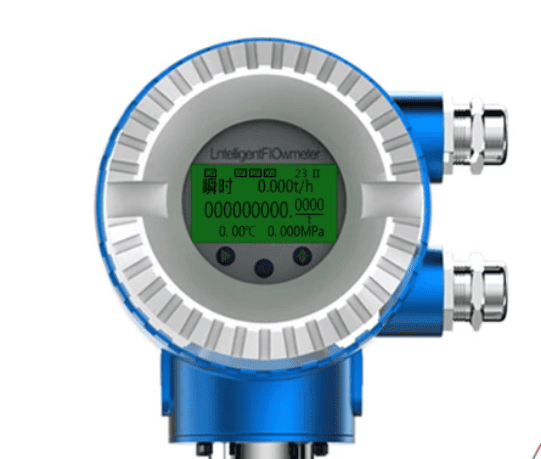
Quick Comparison Table
| Unit | Full Name | Reference Conditions | What it Measures |
| m³/h | Actual Cubic Meter per Hour | The live process temperature & pressure | The "hot/pressurized" volume in the pipe |
| Nm³/h | Normal Cubic Meter per Hour | 0°C & 1 atm | Standardized quantity/mass (European std.) |
| Sm³/h | Standard Cubic Meter per Hour | 15.6°C (60°F) & 1 atm (Common US std.) | Standardized quantity/mass (American std.) |
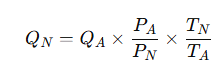
| Actual Flow m³/h | Pressure (bar) | Approximate Nm³/h (m³/h × Pressure) |
| 5 | 1 | 5 |
| 10 | 2 | 20 |
| 15 | 3 | 45 |
| 20 | 4 | 80 |
| 25 | 5 | 125 |
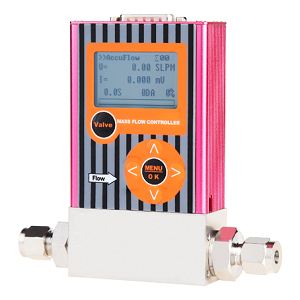 Gas flow meter ml/min
2025/09/26
We supply ultra low flow gas flow meter can detect air, Hydrogen,mix gas, biogas, CO2, N2, oxygen gas at very small flow rate even with around 2 ml/min.
VIEW
Gas flow meter ml/min
2025/09/26
We supply ultra low flow gas flow meter can detect air, Hydrogen,mix gas, biogas, CO2, N2, oxygen gas at very small flow rate even with around 2 ml/min.
VIEW
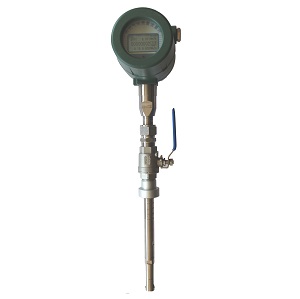 SCFM air flow meter
2025/09/26
Thermal mass flow meter with digital display to show air instant flow and air total flow:Instant flow units available :SCFM,g/min,g/s,Kg/min,Kg/h,Nm3/h,Nm3/min,NL/h,NL/min,Total flow units available:...
VIEW
SCFM air flow meter
2025/09/26
Thermal mass flow meter with digital display to show air instant flow and air total flow:Instant flow units available :SCFM,g/min,g/s,Kg/min,Kg/h,Nm3/h,Nm3/min,NL/h,NL/min,Total flow units available:...
VIEW
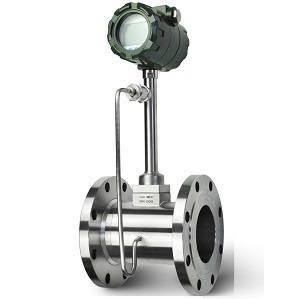 Flanged Vortex flow meter with compensation
2025/09/26
STLU-BPT Series Flanged Vortex flow meter with integrated temperature sensor and pressure sensor compensation is a perfect choice for gas or steam (saturated steam and overheated steam) flow measureme...
VIEW
Flanged Vortex flow meter with compensation
2025/09/26
STLU-BPT Series Flanged Vortex flow meter with integrated temperature sensor and pressure sensor compensation is a perfect choice for gas or steam (saturated steam and overheated steam) flow measureme...
VIEW
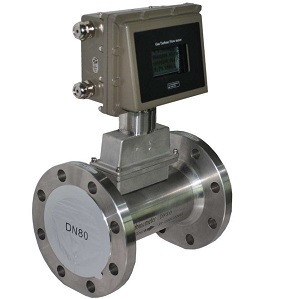 Gas Turbine Flow Meter with Temp & Press. compensation
2025/09/26
SGW-D series Gas turbine flow meter can be used to measure clean air or gas, such as natural gas, nitrogen gas.,etc. The best part of SGW series is that it can have integral temperature and pressure c...
VIEW
Gas Turbine Flow Meter with Temp & Press. compensation
2025/09/26
SGW-D series Gas turbine flow meter can be used to measure clean air or gas, such as natural gas, nitrogen gas.,etc. The best part of SGW series is that it can have integral temperature and pressure c...
VIEW
 Thermal Mass Flow Meter
2025/09/26
Low cost gas flow meter. No need temp & press compensation. Max for DN2000 diameter sensor size. No moving parts and low maintenance.
VIEW
Thermal Mass Flow Meter
2025/09/26
Low cost gas flow meter. No need temp & press compensation. Max for DN2000 diameter sensor size. No moving parts and low maintenance.
VIEW
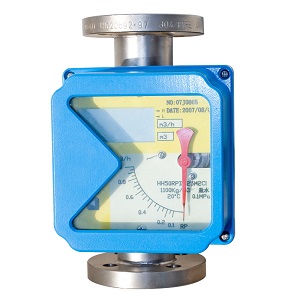 Metal Tube Rotameter
2025/09/26
HH5 Variable Area flow meter is Metal Tube Rotameter, get price now for digital rotameter,flow indicator rotameter.
VIEW
Metal Tube Rotameter
2025/09/26
HH5 Variable Area flow meter is Metal Tube Rotameter, get price now for digital rotameter,flow indicator rotameter.
VIEW